A grease trap only becomes interesting when it stops working. By then the smell has usually reached the dining room. Grease trap cleaning Hills District cafes and takeaways book on a schedule is the cheap part of the arrangement. Sydney Water sets most of the rules around the rest.
Does a food business need a grease trap?
If it cooks or serves hot food, yes. Sydney Water is direct about it. A retail food business that cooks or serves hot food must have a grease trap and a trade waste agreement. Written approval has to come through before the business opens, not after.
What is a grease trap actually doing?
Holding fat back so the sewer does not have to. A grease trap is a tank sitting between the kitchen and the sewer connection. Wastewater slows down inside it. Fat and oil float to the top, solids sink, and only the middle layer carries on into the network. Sydney Water sets the capacity between 1,000 and 5,000 litres. The minimum keeps the trap working, and the maximum keeps it serviceable.
How often does a grease trap need pumping out?
As often as Sydney Water specifies, which varies by site. The frequency depends on the size of the trap and the volume and quality of greasy wastewater the kitchen produces. A fryer-heavy kitchen on a small trap gets a much shorter cycle than a cafe on a large one. The pump-out also has to go to an authorised WasteSafe transporter rather than a general waste contractor.
What happens when a service gets missed?
The trap stops separating and starts passing fat straight through. Fats, oils and grease then cool and harden inside the pipes downstream. That is how a kitchen line blocks. Across the network those deposits build fatbergs, which sit behind up to 20,000 blockages a year at a cost of around $27 million. On your own side of the connection it means a blocked line, a closed kitchen and a plumber at short notice.
What are the warning signs between services?
Slow floor wastes, a smell that lifts in warm weather, and gurgling from the sink when the dishwasher drains. Any of those before the next scheduled pump-out means the trap has filled or the outlet has restricted. Worth a call rather than a wait.
What else keeps a commercial kitchen’s drains clear?
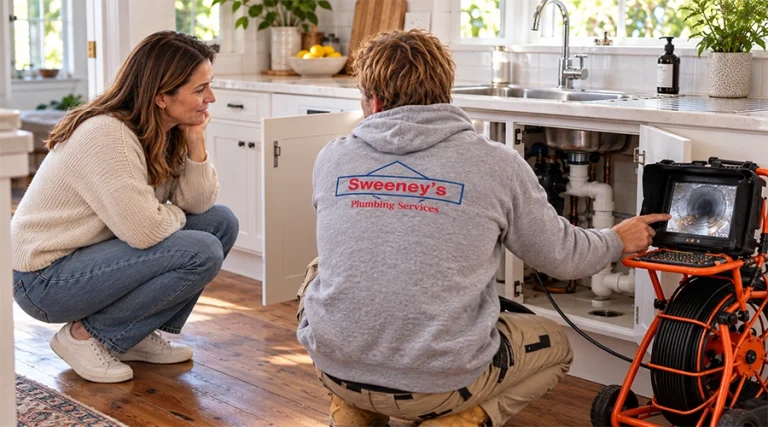
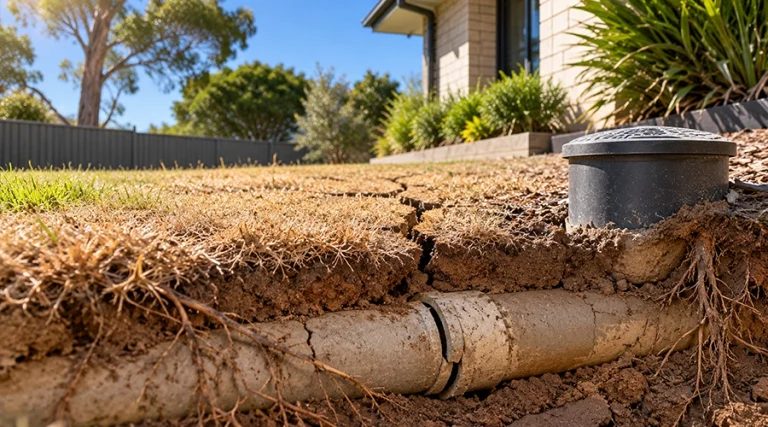
Habits in the kitchen, and a camera when those are not enough. Scraping plates rather than rinsing them cuts the load. So does tipping cooling oil into a drum instead of the sink. The same rules apply to the domestic kitchens next door, just at lower volume. Where a line has already furred up, high pressure jetting strips the walls properly rather than punching a hole through the middle. A drain camera then shows whether the pipe itself has taken damage.
Who should you call about grease trap cleaning in the Hills District?
Someone who works commercial sites rather than only houses. Sweeney’s Plumbing handles facility management plumbing across the Hills area, from single kitchens through to clubs and centres, alongside sewer drain cleaning. The team is fully insured and OH&S compliant to WorkCover requirements. Sweeney’s also belongs to Master Plumbers NSW, one of the state associations the national peak body represents. Any plumbing or drainage work in NSW needs a licence whatever it costs, so ask for the number.
Kitchen due for a service, or already showing signs? Call the office on 1800 219 682. Or send the site details and your trade waste agreement through the contact page and we will work out the right cycle with you.