Buyers inspect the roof, the walls and the stumps. Almost nobody inspects the drains. A pre-purchase drain inspection on the North Shore costs a fraction of what a collapsed sewer line costs to dig up. The timing only works before the contract settles.
Older suburbs make the case stronger. Homes around Roseville, Lindfield and Pymble sit on leafy blocks with mature trees. Sewer lines there have been in the ground for decades. None of it shows from the street.
What does a building and pest report miss?
Plumbing and drainage, by design. NSW Government lists what a standard building inspection report does not check. Electrical wiring, plumbing, drainage and gasfitting all appear on that list.
Footings and concealed damp proofing sit there too, along with pools, chimneys and appliances. The report also leaves out any estimate of repair costs. None of that makes a building inspection less useful. It simply means the pipes under the lawn were never part of the brief.
Who is responsible once the contract settles?
The new owner. Sydney Water states the property owner is responsible for their connection to the wastewater system. Work on that private section needs a licensed plumber.
Nothing about that changes because a fault predates the sale. A root blockage found three weeks after moving in belongs to whoever holds the title. That is what makes the question worth asking beforehand.
What does a pre-purchase drain inspection actually find?
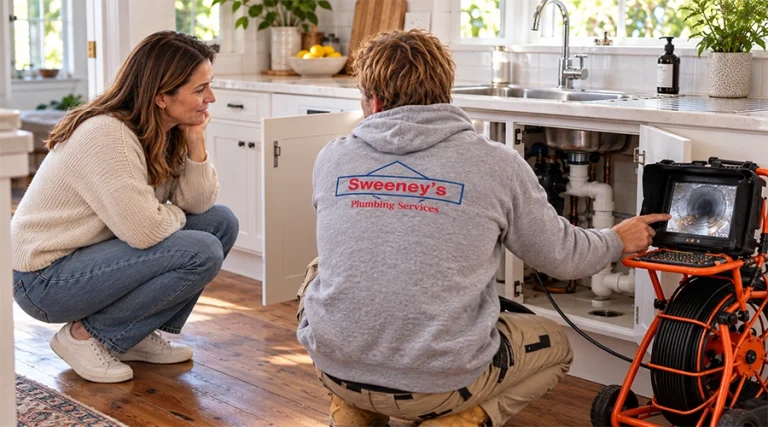
Faults that only appear from inside the pipe. Camera footage shows the line as it sits today, not as the plans say it was laid.
Which faults matter most in an older home?
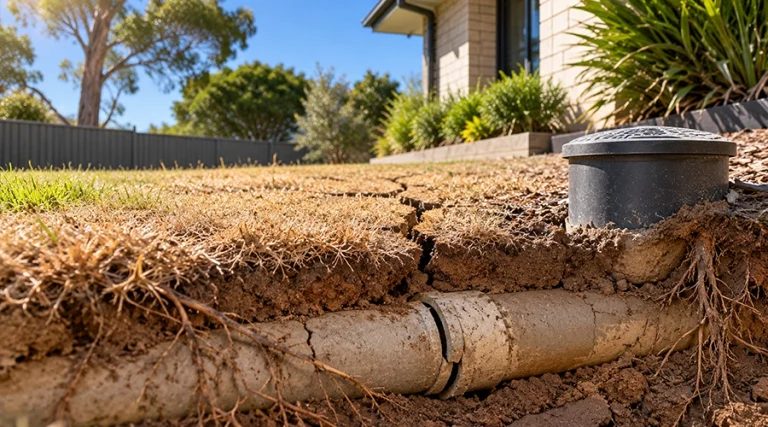
Cracks and open joints come first, because roots follow moisture into any gap. A sag in the pipe, sometimes called a belly, holds water and debris instead of draining. Repeat blockages follow. Previous root intrusion leaves a signature even after somebody has cleared it. Earlier patch repairs show up as well, and so does a section that has lost its shape altogether.
Structures built over the line are a separate concern. A pergola footing or a slab poured across a sewer line restricts access and complicates any future repair.
What about the pipes carrying water in?
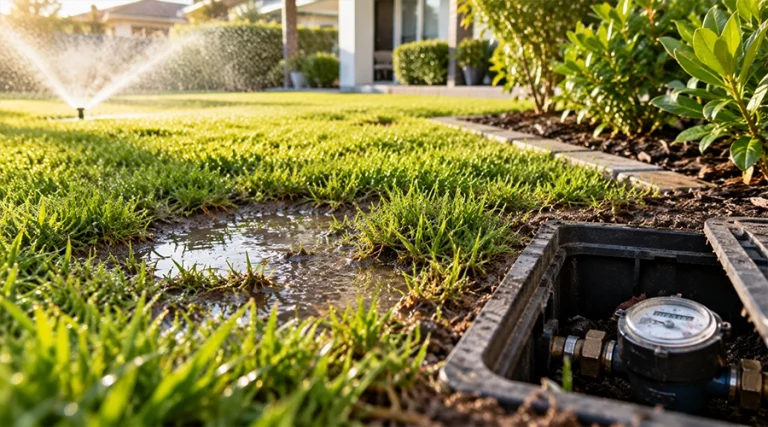
Different system, same logic. Some older homes still run galvanised steel water pipe, a steel pipe that corrodes inward and narrows over the years. Pressure drops as the bore closes up, and discoloured water sometimes follows.
A camera does not go down a water line. A plumber can still check pressure and flow at the fixtures. Visible pipework under the house or at the meter tells part of the story too.
How does the camera tell a buyer where the fault is?
By distance along the run. Footage records how far the camera has travelled, so a fault sits at a measured point rather than somewhere in the yard.
That measurement decides the repair. A single crack a few metres from an inspection opening often suits a liner or a patch fitted from inside. No excavation needed. Sweeney’s Plumbing fits patches from 300 mm up to 1500 mm long, which covers most single faults. A collapsed section is different. Nothing remains to line, so that length has to come out.
Which paperwork should a buyer ask for?
Two documents, and both are easy to request. Together they show what has been inspected and what sits where.
What is a sewer service diagram?
A drawing of the private wastewater pipes on the property. Sydney Water describes it as showing buildings and pipes, though not pools. Agents use it to check whether plumbing work on a property has been inspected.
Buyers obtain one through a Property Link broker or through Sydney Water Tap in. Most arrive almost immediately. Some take up to seven days where an investigation is needed. A plumber uses the same diagram to find the line without guessing.
What does a certificate of compliance prove?
That the work met the rules when it was done. Building Commission NSW requires plumbers to complete one and give the owner a copy. It confirms the work complies with the Act, the Regulation and the Plumbing Code of Australia.
Plumbers also have to supply the owner with a sewer service diagram after drainage work. A renovated older home with neither document raises a fair question. Either the paperwork went missing, or the work was never certified.
When should a buyer book the inspection?
Before exchange, where the contract allows it. A conveyancer or solicitor is the right person to confirm what the contract permits and when.
Access is the practical limit. A camera needs an inspection opening or a gully to enter the line. Someone also has to let the plumber onto the property. Arranging that through the agent takes a day or two, so the request works better early rather than the afternoon before a deadline.
Vendors sometimes order the inspection themselves. Footage of a sound line answers a question buyers were going to ask anyway.
Most plumbing faults in an older home are repairable, and plenty are minor. The difference is finding out while the price is still under discussion. Sweeney’s Plumbing runs camera work across the North Shore from its Turramurra office. Free cost estimates come first, for approval before anything starts. To arrange an inspection on a property under offer, get in touch or call 1800 219 682 during office hours.