Plumbing disasters rarely announce themselves at convenient times. A burst pipe at 2am, a blocked toilet on Christmas morning, or a gas leak on a Sunday afternoon can send any homeowner into panic mode. Knowing when to call an emergency plumber and what steps to take whilst waiting for help can make the difference between a minor inconvenience and a major catastrophe. For residents across the North Shore and Hills District, understanding what constitutes a genuine plumbing emergency is essential for protecting your property and ensuring your family’s safety.
What counts as a plumbing emergency?
Not every plumbing problem requires immediate attention from a 24-hour plumber. A dripping tap, whilst annoying, can usually wait until regular business hours. However, certain situations demand urgent professional intervention to prevent serious damage, health hazards, or complete loss of essential services.
Burst Pipes and Major Leaks
A burst pipe represents one of the most serious plumbing emergencies you can face. Water gushing from walls, ceilings, or floors can cause thousands of dollars in damage within minutes. The structural integrity of your home is at risk when water saturates building materials, potentially leading to collapsed ceilings, weakened foundations, and extensive mould growth.
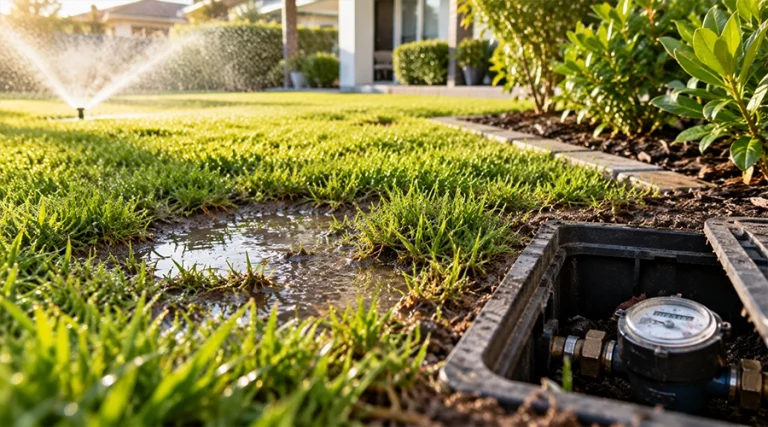
If you discover a burst pipe, your immediate priority is damage control. Locate your main water shut-off valve and turn it off immediately. This valve is typically found near your water meter, often in the front yard or beside your house. Every homeowner should know exactly where this valve is located before an emergency occurs. Once the water is off, call an emergency plumber straight away.
Gas Leaks
Gas leaks represent an immediate threat to life and property. Natural gas is odourless in its pure form, but suppliers add a distinctive smell resembling rotten eggs to help detect leaks. If you smell gas in your home, take these steps without delay:
Get everyone out first. Do not touch any electrical switch, do not use a phone inside the house, and do not light anything. From outside, call Jemena on 131909, the gas distributor for Sydney, which takes leak reports 24 hours a day. If the smell is strong or anyone feels unwell, call 000 as well. A licensed gas fitter handles the repair on your side of the meter once the area has been made safe, and gasfitting is a separate licence category in NSW, so it is worth checking the licence covers gas rather than plumbing alone.
Sewage Backups
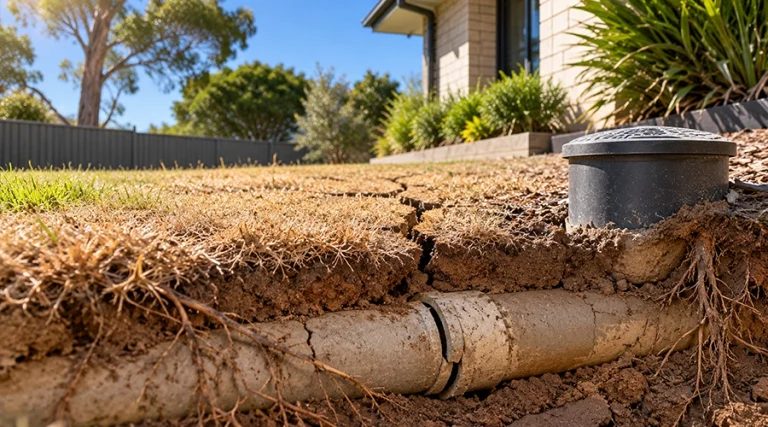
Few plumbing emergencies are as unpleasant or hazardous as sewage backing up into your home. If wastewater is flowing back through your drains, toilets, or appearing in your yard, you are facing both a health emergency and potential property damage. Sewage contains harmful bacteria and pathogens that pose serious health risks, particularly to children, elderly family members, and anyone with compromised immunity.
Stop using all plumbing fixtures immediately to prevent additional sewage from backing up. Keep family members and pets away from affected areas. Contact an emergency plumber who has the specialised equipment needed to safely clear sewage blockages and sanitise affected areas.
Complete Loss of Water Supply
Waking up to find you have no water anywhere in your home can indicate a serious problem with your water main or a major leak somewhere in your system. Whilst not always as immediately damaging as a burst pipe, a complete loss of water supply requires prompt attention, especially if you have young children or elderly residents in your household.
Before calling a plumber, check whether your neighbours are experiencing the same problem. If the issue is widespread, your local water authority may be conducting repairs or maintenance. However, if your property alone has lost water, contact an emergency plumber to investigate potential breaks in your water main or other critical issues.
Which emergency plumbing situations come up most?
Beyond the major emergencies outlined above, several other situations warrant calling a 24-hour plumber rather than waiting for regular business hours.
Overflowing Toilets
An overflowing toilet creates an urgent and unsanitary situation. If you cannot stop the overflow using the shut-off valve behind the toilet, or if the problem recurs repeatedly, you need professional help. This is particularly critical if you only have one toilet in your home or if sewage is involved rather than just clean water.
Hot Water System Failures
During winter months, a failed hot water system can constitute an emergency, particularly for families with young children, elderly residents, or anyone with medical conditions. If your hot water system is leaking, making unusual noises, or has completely stopped working, professional assessment is necessary. A leaking hot water tank can cause significant water damage if not addressed promptly.
Flooding Basements
Water flooding into your basement or lower levels demands immediate action. Beyond the obvious water damage, flooding can compromise your home’s foundations and create dangerous electrical hazards. Shut off power to affected areas if you can do so safely, stop the water at its source if possible, and call an emergency plumber immediately.
What should you do while you wait for help?
The actions you take between discovering a plumbing emergency and the arrival of your plumber can significantly impact the extent of damage to your property.
Shut Off the Water
For most emergencies involving water, turning off the supply is your first priority. Know where your main shut-off valve is located and ensure all adult household members can find and operate it. For localised issues like a leaking toilet or sink, use the fixture’s individual shut-off valve if available.
Contain the Damage
Use towels, buckets, and mops to contain water and prevent it from spreading to unaffected areas. Move furniture, electronics, and valuables away from water. If water is dripping from a ceiling, place buckets beneath the leak and carefully puncture the ceiling plaster to release pooled water in a controlled manner rather than allowing it to spread.
Document Everything
Take photographs and videos of all damage for insurance purposes. Document the source of the problem if visible, the extent of water damage, and any affected belongings. This documentation will prove invaluable when filing insurance claims.
Turn Off Electrical Supply
If water is near electrical outlets, appliances, or your electrical panel, turn off power to affected areas at your switchboard. Never touch electrical equipment whilst standing in water. If you cannot safely access your electrical panel, wait for emergency services.
Can these emergencies be prevented?
Whilst some emergencies are unavoidable, many can be prevented through regular maintenance and vigilance. The Master Plumbers Association recommends annual professional inspections to identify potential problems before they become emergencies.
Regular Maintenance Checks
Schedule annual inspections of your plumbing system, including hot water systems, pipes, and drainage. Professional plumbers can identify warning signs like corrosion, minor leaks, or deteriorating pipes that could fail catastrophically if left unaddressed.
Know Your System
Understand where your main water shut-off valve, gas shut-off, and electrical panel are located. Ensure these are easily accessible and that all household members know how to operate them. Label valves clearly to avoid confusion during emergencies.
Get ready for storm season, not winter
Sydney’s plumbing emergencies cluster around storms rather than frosts. Storm season runs from September to April, and the SES responded to 820 storm incidents in Ku-ring-gai and 774 in Hornsby across the 2024 to 2025 season, two of the five busiest areas in NSW. Clearing gutters and downpipes before September, checking that stormwater pits drain, and knowing where your stop tap is will prevent more call-outs than any amount of pipe insulation.
Be Mindful of What Goes Down Drains
Prevent blockages by being careful about what enters your drains. Never flush wipes, sanitary products, or cotton buds. Avoid pouring cooking oil down sinks. Use drain screens to catch hair and debris. These simple habits can prevent many emergency situations.
How do you choose an emergency plumber?
Not all plumbers offer genuine 24-hour emergency services, and response times can vary dramatically. When selecting an emergency plumber for your North Shore or Hills District property, consider several important factors.
Licensing and Insurance
Verify that any emergency plumber you call holds current licenses and insurance. Licensed plumbers have the training and qualifications required to safely complete repairs, whilst insurance protects you if anything goes wrong during emergency work.
Response Times
In a genuine emergency, every minute counts. Choose a plumbing service that can commit to rapid response times and has plumbers available throughout your local area. Local plumbers serving the North Shore and Hills District can typically respond much faster than companies based in distant suburbs.
Transparent Pricing
Emergency plumbing often costs more than regular service, but reputable companies are upfront about their pricing structure. Ask about call-out fees, hourly rates for after-hours work, and whether they provide quotes before starting work. Avoid companies that refuse to discuss pricing over the phone.
Equipment and Expertise
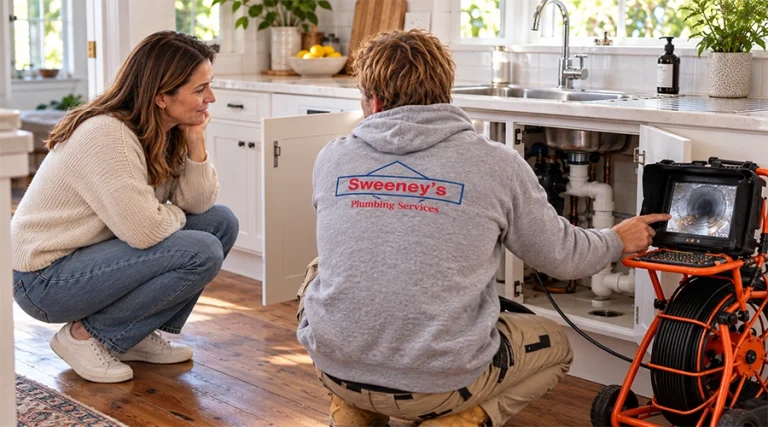
Emergency plumbers should arrive equipped to handle a wide range of problems. Sewage backing up into the house is not a wait-until-morning problem. A plumber will clear it, then use CCTV drain cameras to find out why it happened, because a backup that has occurred once nearly always occurs again.
What is the true cost of delaying emergency repairs?
Some homeowners hesitate to call emergency plumbers due to concerns about after-hours fees. However, delaying urgent repairs almost always costs more in the long run. Water damage escalates quickly, with every hour of delay potentially adding thousands to your final repair bill when you factor in damaged flooring, walls, furniture, and possessions.
Additionally, certain emergencies like gas leaks and sewage backups pose immediate health and safety risks that far outweigh any cost considerations. The peace of mind that comes from knowing a qualified professional is addressing your emergency is invaluable.
Who answers the phone for emergency plumbing services 24/7 on the North Shore?
Plumbing emergencies do not respect business hours or public holidays. When disaster strikes your North Shore or Hills District property, you need a plumber who answers the phone, responds quickly, and has the expertise to resolve your problem right the first time.
With over 26 years of experience serving local homes and businesses, we understand the unique plumbing challenges faced by properties in this area. Our team is available 24 hours a day, seven days a week, ready to respond to your emergency. We arrive fully equipped, provide upfront pricing, and guarantee our workmanship.
Do not let a plumbing emergency cause unnecessary damage to your property or risk your family’s safety. Whether you are dealing with a burst pipe, gas leak, sewage backup, or any other urgent plumbing issue, help is just a phone call away.
The genuine emergencies are short on the list: a burst pipe, a gas leak, sewage in the house, or no water at all. Everything else can usually wait for daylight, and knowing the difference saves an after-hours fee.
Sweeney’s answers the phone around the clock on 0418 211 977 across the North Shore and Hills District. For anything that can wait, send the details through here and the office will come back to you on 1800 219 682. If it is a pipe that has let go, what to do in the first ten minutes is worth reading while you wait.