Finding out a sewer pipe has failed used to mean a trench across the yard, a fortnight of disruption and a bill that included putting the garden back. Pipe relining changed that. A resin liner goes in through an existing access point, cures in place, and forms a new pipe inside the damaged one, with no excavation along the pipe route.
For North Shore and Hills District properties, where the damage is usually under an established garden, a driveway or a slab, that difference is the whole point. The pipe gets fixed and the surface above it stays where it is.
What is pipe relining?
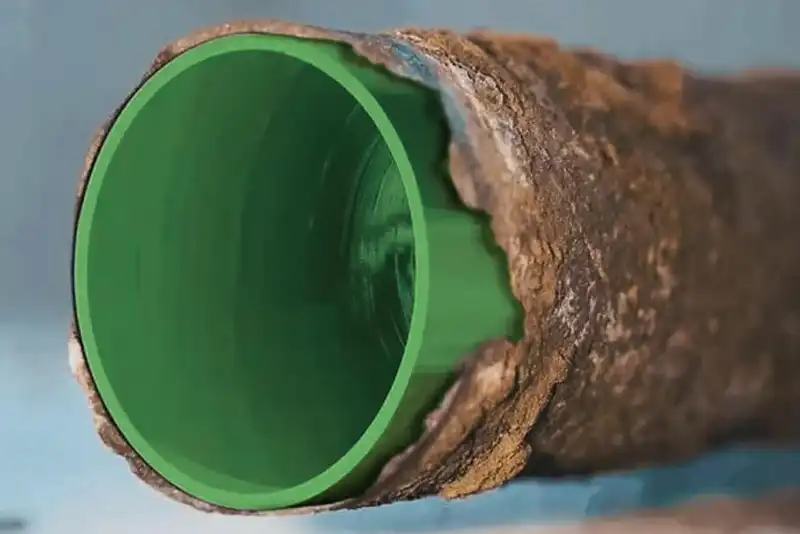
Pipe relining, also known as cured-in-place pipe (CIPP) lining or trenchless pipe repair, creates a new pipe within your existing damaged pipe. Rather than digging up and replacing the entire pipe, plumbers insert a resin-saturated liner into the damaged section. Once positioned correctly, the liner is cured using hot water, steam, or UV light, creating a smooth, durable new pipe inside the old one.
This new lining bonds to the interior walls of the existing pipe, sealing cracks, filling gaps and creating a structurally sound pipe inside the old one. The relined pipe is jointless, resistant to root intrusion and immune to corrosion, which is why liner manufacturers quote design lives measured in decades rather than years. Worth knowing before you start: the pipe is almost certainly yours to fix. Sydney Water’s position is that property owners are responsible for all wastewater pipes between the property and the connection to its sewer main, so a failed section under your own garden is your bill either way. The question is only whether it gets dug up or relined.
When is pipe relining the right fix on the North Shore?
Several situations make pipe relining the ideal solution for damaged drainage and sewer pipes, and roots cause more of them here than anything else.
Have tree roots got into the pipe?
Mature trees are half the reason people buy on the North Shore, and they are also the single biggest cause of damaged sewer pipes here. Roots follow moisture, find a hairline crack or an old joint, and keep growing until the pipe is full. Sydney Water names large gum trees and figs among the species most likely to cause trouble, both common in local gardens and street plantings.
Removing the tree is rarely the fix people expect it to be. In the Ku-ring-gai Council area, any plant 5 metres or taller, or with a trunk at least 150 mm across at ground level, counts as a tree, and Council’s guidance is built around retaining trees unless there is strong justification for removal. Relining works with that rather than against it: the liner seals the entry points and leaves a smooth jointless surface roots cannot get into, so the tree stays and the drain stops blocking.
Is the pipe cracked or broken?
Pipes crack and break for numerous reasons including ground movement, age-related deterioration, and physical damage from construction or landscaping. Cracked pipes leak wastewater into surrounding soil, potentially contaminating groundwater and undermining building foundations.
Traditional repairs require excavating the entire length of damaged pipe, removing it, and installing new pipes. Pipe relining North Shore specialists can repair these cracks from inside, restoring pipe integrity without excavation.
Are my pipes corroded from the inside?
Older properties often have cast iron or galvanised steel sewer pipes that corrode over time. Internal corrosion creates rough surfaces that catch debris, leading to frequent blockages. Severe corrosion can perforate pipes completely.
Pipe relining covers corroded surfaces with smooth, corrosion-resistant epoxy, extending pipe life by decades and improving flow.
Has a section shifted or collapsed?
Ground movement, poor initial installation, or subsidence can cause pipe sections to misalign or collapse. Misaligned joints create steps where debris accumulates, causing blockages. Collapsed sections completely obstruct flow.
Whilst severe collapses may require excavation, many alignment issues can be corrected through pipe relining combined with internal pipe preparation.
Should you reline before it fails?
Some property owners choose pipe relining North Shore services preventively. If CCTV inspection reveals deteriorating pipes that have not yet failed completely, relining them before problems develop prevents emergency situations and extensive damage.
What happens during the relining process?
Understanding how pipe relining works helps property owners appreciate its advantages over traditional methods.
Initial Inspection
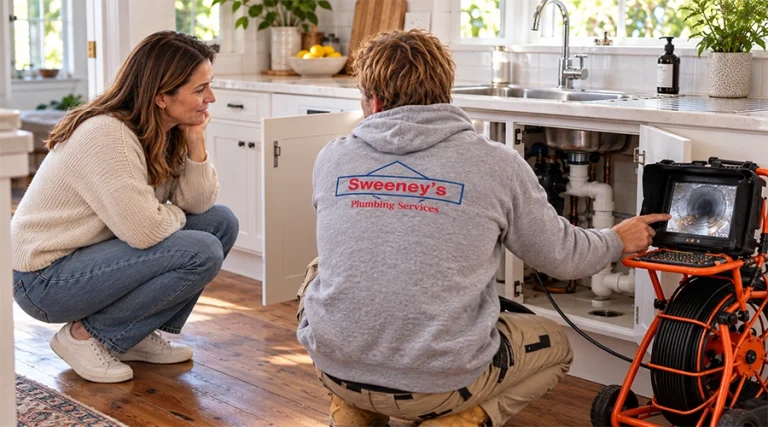
Professional pipe relining begins with a thorough CCTV camera inspection. Plumbers insert waterproof cameras into the pipes to assess where the damage is, how far it runs and what caused it, whether that is cracking, root intrusion or corrosion. There is more detail on what the camera picks up in what a drain camera inspection actually involves. The footage is what the relining plan is built from.
Pipe Cleaning and Preparation
Before relining can happen, the pipe has to be properly cleaned, because the liner bonds to whatever surface it meets. High pressure water jetting strips out debris, scale and root masses, and heavy root intrusion may need mechanical cutting first. A half-cleaned pipe gives a liner that fails early.
Liner Installation
Once pipes are clean, plumbers insert the resin-saturated liner. The liner, made of felt or fibreglass, is thoroughly coated with epoxy resin. Plumbers use air or water pressure to position the liner precisely within the damaged pipe section. The liner must contact the entire inner surface of the old pipe.
Curing the Liner
After positioning, the curing process begins. Hot water, steam, or UV light activates the resin, causing it to harden. This creates a rigid, smooth pipe within the old structure. Curing times vary depending on pipe diameter, liner thickness, and chosen curing method, typically taking several hours.
Final Inspection and Reinstatement
Once cured, plumbers inspect the relined pipe using CCTV cameras to ensure proper bonding and complete coverage. Any lateral connections (pipes branching off the main line) are robotically cut open, restoring full drainage function. The final camera inspection verifies the quality of the completed work.
Why choose relining over digging?
Pipe relining North Shore homeowners choose offers numerous benefits compared to excavation-based repairs.
Minimal Property Disruption
The most obvious advantage is avoiding extensive excavation. Traditional pipe replacement requires digging trenches along the entire pipe route. This destroys driveways, pathways, gardens, lawns, and landscaping. Businesses lose parking spaces and access. The restoration costs after traditional repairs often exceed the pipe replacement costs.
Pipe relining requires only small access points, typically at manholes or existing cleanout points. Your property remains largely undisturbed throughout the process.
Faster Completion
Traditional pipe replacement takes days or weeks. Excavation, old pipe removal, new pipe installation, backfilling, and surface restoration all consume time. Most pipe relining North Shore projects complete within one day. Some complex jobs may require two days, but this still represents dramatic time savings.
Cost Effectiveness
Relining can have higher material costs than a simple length of new pipe, but the material is rarely where the money goes. Excavation means machinery, spoil removal, backfilling, and then the trades who put back whatever the trench went through. A driveway, a retaining wall, a paved courtyard or a mature garden bed can cost more to reinstate than the plumbing work itself, which is why the comparison only makes sense once reinstatement is in the quote. A camera inspection first means both options can be priced properly instead of estimated.
Superior Longevity
Relined pipes often last longer than traditional replacements. The seamless epoxy liner resists corrosion, tree roots cannot penetrate it, and it maintains structural integrity for 50 years or more. Traditional pipe joints create weak points where failures commonly occur. Relined pipes have no joints along relined sections.
Improved Flow
The smooth interior surface of relined pipes improves water flow compared to old corroded or rough pipes. Better flow means fewer blockages and more efficient drainage.
Structural Benefits
Because relining works within existing pipes, it can navigate around obstacles that would complicate traditional replacement. Pipes running under buildings, beneath concrete slabs, or in other difficult locations can be relined without disturbing surrounding structures.
When is relining not the answer?
When there is no pipe left to line, or no way to reach it. Whilst pipe relining solves many problems, it is not suitable for every situation.
Completely Collapsed Pipes
Severely collapsed pipes may not accommodate the relining equipment. Partial collapses can sometimes be addressed by reshaping pipes before relining, but complete collapses typically require excavation and replacement.
Certain Pipe Materials
Some pipe materials do not provide suitable surfaces for liner bonding. Very smooth plastic pipes, for instance, may require special preparation. Licensed pipe relining North Shore professionals assess whether your specific pipes suit the relining process.
Access Requirements
Pipe relining requires access points for equipment insertion. Properties without adequate cleanouts or manholes may need small access pits excavated, though these are far less disruptive than full excavation.
Cost for Short Sections
For very short damaged pipe sections easily accessible near the surface, traditional replacement might prove more economical. The setup and equipment costs for relining become worthwhile for longer sections or difficult-to-access pipes.
How do you choose who does the work?
Not all plumbers offer pipe relining services, and quality varies significantly among those who do. When seeking pipe relining North Shore properties need, several factors ensure successful outcomes.
Experience and Training
Pipe relining requires specialised equipment and training. Choose plumbers with extensive relining experience and manufacturer certifications. Ask how many relining projects they complete annually and request references.
Equipment Quality
Professional pipe relining requires significant investment in cameras, cleaning equipment, liner materials, and curing systems. Established companies with quality equipment deliver better results than those using makeshift approaches.
Warranties
Reputable pipe relining specialists warranty their work, typically for 10 to 50 years depending on the specific application. This warranty protection demonstrates confidence in their workmanship and materials.
Transparent Pricing
Quality pipe relining North Shore services provide detailed quotes after camera inspection. Be wary of quotes given without inspection, as proper pricing requires knowing the exact damage extent and access conditions.
How do you look after a relined pipe?
Once your pipes are relined, proper maintenance ensures they deliver their full lifespan potential.
Regular Inspections
Schedule periodic CCTV inspections every few years to monitor pipe condition. This catches any developing issues early, before they become problems.
Avoid Chemical Drain Cleaners
Harsh chemical drain cleaners can potentially damage epoxy liners. Use mechanical clearing methods or enzymatic cleaners for any blockages that develop.
Proper Disposal Practices
Continue following good practices about what goes down drains. Grease, wipes, sanitary products, and excessive paper should never enter drainage systems, whether pipes are relined or not.
Address Issues Promptly
If you notice slow drainage or other problems, arrange professional assessment quickly. Early intervention prevents minor issues from becoming major failures.
Does relining work out cheaper overall?
When evaluating pipe relining versus traditional replacement, consider the complete picture. Initial costs, restoration expenses, property disruption, and longevity all factor into true cost comparisons. For most North Shore and Hills District properties, pipe relining provides superior value.
The preservation of mature gardens, established landscaping, and expensive hardscaping alone often justifies the choice. Add faster completion times, minimal disruption, and exceptional longevity, and pipe relining becomes the clear choice for damaged underground pipes.
Where should you start?
Whether you are dealing with recurring blockages, confirmed pipe damage, or want preventive action on deteriorating pipes, professional pipe relining offers effective, lasting solutions. With over 26 years of experience serving the North Shore and Hills District, we have completed numerous successful pipe relining projects.
Our team uses the latest camera inspection technology to accurately assess pipe condition, state-of-the-art cleaning equipment to properly prepare pipes, and premium quality lining materials backed by comprehensive warranties. We provide honest assessments of whether pipe relining suits your specific situation and transparent pricing based on thorough inspection.
Do not let damaged pipes cause ongoing problems or face the disruption and expense of traditional excavation-based repairs. Modern pipe relining technology offers a better solution.
Most relining jobs start the same way: a drain that has blocked twice in a year, a camera down the line, and a decision about whether the pipe is worth saving. Sweeney’s Plumbing has worked on North Shore and Hills District drainage for over 26 years, and gives a free estimate to approve before any work starts.
If a drain on your property keeps backing up, book the camera first and decide from there. Get in touch here or call the office on 1800 219 682. The team also handles blocked drain clearing and sewer drain repairs and replacements where a pipe is too far gone to line.