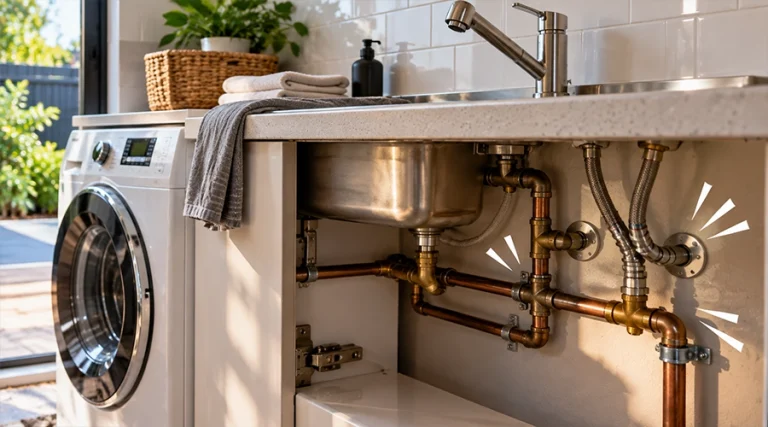
Nothing disrupts a household quite like a blocked drain, and blocked drains North Shore homes deal with tend to have a different cause than the ones further west. Whether it’s water pooling around your feet in the shower, a kitchen sink that refuses to empty, or an unpleasant odour wafting from your drains, blocked drains are more than just an inconvenience. For homeowners and businesses across the North Shore and Hills District, understanding what causes these blockages and knowing how to prevent them can save significant time, money, and stress.
What actually blocks a drain?
Four things, and which one it is depends on which drain. Blocked drains rarely happen overnight. They typically develop gradually as various materials accumulate within your pipes. In the North Shore and Hills District, several factors contribute to drainage problems that require professional attention.
Is it hair and soap build up?
One of the most frequent causes of bathroom drain blockages is the combination of hair and soap residue. Every time you shower or wash your hands, small amounts of hair travel down the drain. When mixed with soap scum, this creates a sticky mass that clings to pipe walls and gradually restricts water flow. Over time, this build-up becomes substantial enough to cause slow drainage or complete blockages.
Is it food waste and grease from the kitchen?
Kitchen drains face their own unique challenges. Despite having a garbage disposal, certain food items should never go down your sink. Coffee grounds, rice, pasta, and fibrous vegetables can create stubborn clogs. However, the real troublemaker is cooking oil and grease. When poured down the drain, these substances cool and solidify within your pipes, creating a coating that traps other debris and eventually leads to severe blockages.
Have tree roots got in?
Properties across the North Shore and Hills District often feature beautiful established gardens and mature trees. While these add tremendous value and aesthetic appeal to your home, tree roots can wreak havoc on underground pipes. Roots naturally seek out water sources, and even tiny cracks in your drainage pipes provide an entry point. Once inside, roots grow rapidly, causing breaks, blockages, and potentially expensive damage to your entire drainage system.
Has something been flushed that shouldn’t be?
Sometimes blockages occur from items that simply should not be in your drains. Baby wipes, sanitary products, cotton buds, and even excessive amounts of toilet paper can create significant problems. Unlike toilet paper, many products marketed as ‘flushable’ do not break down in water and can cause major blockages in both your home’s pipes and the broader sewer system.
How do you know if a drain blockage is coming?
Recognising the early warning signs of a developing blockage allows you to address the problem before it becomes an emergency. Catching a blockage early is the difference between a clean-out and a repair. It also matters who pays: Sydney Water’s position is that the property owner maintains the wastewater pipes between the property and the connection to its main, so a blockage in your own line is your cost regardless of what caused it.
Watch for these telltale indicators:
Slow Drainage
If water takes longer than usual to drain from your sink, shower, or bath, you likely have a partial blockage forming. This is your drain’s way of telling you that something is restricting normal flow. Addressing slow drainage early can prevent a complete blockage.
Gurgling Sounds
Unusual gurgling or bubbling noises coming from your drains often indicate trapped air in your pipes. This typically occurs when water tries to flow past a blockage, creating air pockets that produce these distinctive sounds. If you notice gurgling when using one fixture whilst another drains, this could signal a more serious issue with your main drainage line.
Unpleasant Odours
Foul smells emanating from your drains usually mean organic matter has become trapped in your pipes and is decomposing. This is particularly common in kitchen sinks where food particles accumulate. Persistent odours should not be ignored, as they often indicate a developing blockage that will worsen over time.
Water Pooling
Water that pools around drains rather than flowing away smoothly is a clear sign of restricted drainage. In showers and baths, this means standing in water whilst bathing. Around outdoor drains, pooling water can indicate serious blockages in your stormwater system.
What actually prevents blockages?
Preventing blocked drains is far easier and more cost-effective than dealing with emergency repairs. Prevention is mostly about what goes down the drain and what grows above it. Sydney Water names large gum trees and figs among the species most likely to get into sewer pipes, and recommends keeping new plantings well clear of the line. Removing an established tree is rarely simple either: in the Ku-ring-gai Council area, anything 5 metres tall or with a trunk 150 mm across counts as a tree, and Council’s guidance is built around retaining trees unless there is strong justification.
Simple Daily Habits
Small changes to your daily routine can make a substantial difference:
- Install drain screens in all sinks and showers to catch hair and debris
- Scrape plates thoroughly before washing and dispose of food waste in the bin
- Never pour cooking oil or grease down the drain – instead, collect it in a container and dispose of it with your household rubbish
- Run hot water through your drains after each use to help clear away soap and residue
- Use your toilet only for its intended purpose – avoid flushing anything other than toilet paper
Monthly Maintenance
Once a month, take these preventive measures:
- Pour boiling water down your drains to help dissolve grease and soap build-up
- Use a mixture of baking soda and vinegar followed by hot water as a natural cleaning solution
- Check outdoor drains and remove any visible debris, leaves, or dirt
Professional Inspections
For complete peace of mind, schedule a professional drain inspection annually. Modern drain work starts with looking rather than guessing. CCTV camera inspections show exactly what is in the pipe and where, and high pressure jetting clears root masses and grease that a snake only punches a hole through. This is particularly valuable for older properties or homes with mature trees nearby.
When should you stop plunging and call a professional plumber?
Whilst some minor blockages can be cleared with a plunger or natural remedies, many situations require professional expertise. If you experience multiple blocked drains simultaneously, sewage backing up through your drains, or persistent blockages that return despite your best efforts, it’s time to call in the experts.
Professional plumbers have access to specialised equipment such as high-pressure water jetters and drain cameras that can effectively clear stubborn blockages and identify underlying issues. They can also advise on whether pipe relining might be a suitable solution for damaged pipes, saving you the cost and disruption of excavation.
What happens if you ignore blocked drains?
Delaying professional help when you have blocked drains can lead to several serious problems. Water damage is perhaps the most immediate concern, as overflowing drains can damage flooring, walls, and furnishings. The costs of repairing water damage often far exceed the price of addressing the initial blockage.
Health hazards also increase when drains remain blocked. Standing water creates ideal breeding conditions for bacteria and mould, whilst sewage backups expose your family to harmful pathogens. These health risks are particularly concerning for households with young children, elderly residents, or anyone with compromised immunity.
Structural damage represents another significant risk. Persistent drainage problems can undermine foundations, damage walls, and create sinkholes in your property. Tree root intrusion, if left unchecked, can completely destroy your drainage system, necessitating extensive and expensive repairs.
How do plumbers clear drains now?
Today’s plumbing technology offers effective solutions for even the most challenging drainage issues. High-pressure water jetting can clear years of accumulated debris from your pipes, whilst CCTV inspections provide a clear picture of your drainage system’s condition. For damaged or collapsed pipes, modern pipe relining techniques can repair pipes from the inside without excavation, saving time and minimising disruption to your property.
Who clears blocked drains on the North Shore?
Blocked drains do not improve on their own. Whether you are dealing with slow drainage, unpleasant odours, or a complete blockage, professional help is available throughout the North Shore and Hills District. With over 26 years of experience serving local homes and businesses, our team understands the unique drainage challenges faced by properties in this area.
A drain that has blocked twice is telling you something the plunger cannot fix. The second visit is the one where the camera goes in, because the cause is usually roots, a cracked section or a sag holding water, and each of those has a different fix.
Sweeney’s clears blocked drains across the North Shore and Hills District, with free estimates you approve first. Get in touch here, or call the mobile on 0418 211 977 if it is backing up right now. Where the pipe itself has failed, pipe relining repairs it from the inside without digging up the garden.