Weak showers and taps that take forever to fill a sink are among the most common calls Sweeney’s Plumbing gets. Low water pressure North Shore homes live with usually traces to one of four causes, and only one of them sits outside the property. Working out which one you have takes about a minute at the water meter.
Why is the water pressure low at my North Shore property?
Because something between the main and the tap is restricting flow. Four causes account for nearly all of it.
Is a blocked or leaking pipe to blame?
Often, and a leak is the version that costs you twice. Mineral build-up and debris narrow the bore of a pipe over years. A hidden leak bleeds pressure away and adds to the bill at the same time. Sydney Water’s meter method finds it: turn off every tap and appliance, note the reading, leave it an hour, then read it again.
Could the pressure limiting valve have failed?
Yes, and it is a common culprit on newer properties. A pressure limiting valve sits near the meter and holds the incoming pressure down to protect fittings. When the cartridge inside wears, pressure either drops away or swings about. Testing and replacing one is a small job.
Do old galvanised pipes cause it?
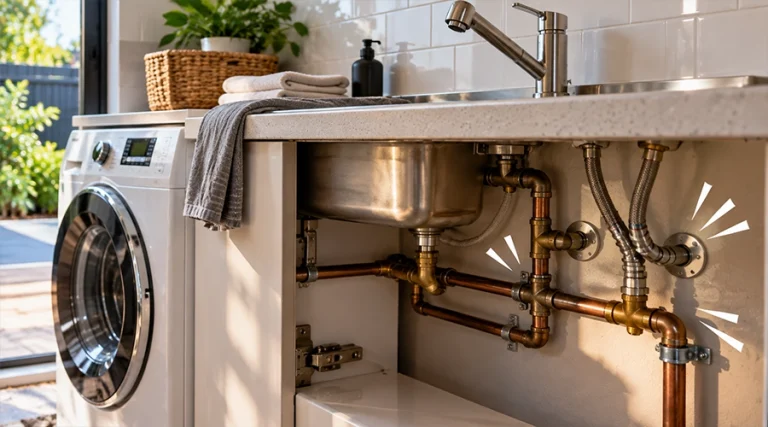
They are the classic reason on the North Shore. Plenty of homes through Killara, Pymble and Wahroonga still run sections of galvanised steel. Galvanised pipe corrodes from the inside, and the rust narrows the bore until flow suffers everywhere at once. A pressure problem that affects the whole house, not one tap, usually points here.
Is the problem on Sydney Water’s side?
Sometimes, and it is worth ruling out before paying for a plumber. Sydney Water supplies water across the North Shore, not the council, so a supply-side issue is theirs to investigate. Planned work, a main break or a pressure change in the local zone can all show up at your taps. Sydney Water takes those reports on 13 20 90, which runs 24 hours.
How do you test the pressure yourself?
With the garden tap and a one-minute meter reading. Sydney Water commits to a minimum of 15 metres head of pressure at the point of connection, which it says equals a flow of 18 litres a minute at the garden tap. Turn off everything else in the house, write down the meter reading, run the front garden tap flat out for exactly one minute, then read the meter again. Anything at or above 18 litres meets the standard, so the restriction is inside your property. Anything under it is worth reporting.
What does a plumber do about it?
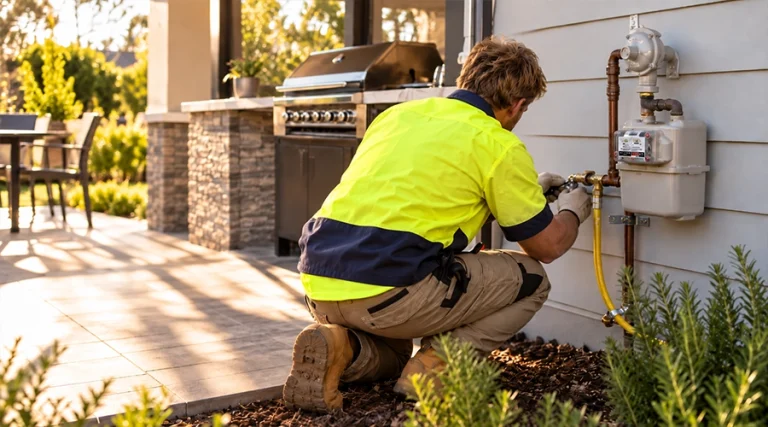
Measures first, then narrows it down. A plumber gauges the pressure at the meter and at the fixtures to find where the drop happens. From there the work is one of a few things: leak detection and repair, replacing a failed valve, or replacing or relining a corroded section. A single slow tap is a different job again, and usually just a worn washer or a blocked aerator.
How do you stop it coming back?
Deal with the cause rather than the symptom. Corroded pipework that has been patched once tends to fail again nearby, so replacing the run beats another repair. A yearly maintenance check catches a failing valve before it drops pressure across the house. Watch the hot side separately as well. Pressure that is fine on cold and poor on hot points at the hot water service rather than the plumbing, and pressure that is too high does its own damage to fittings.
Who should you call about low water pressure on the North Shore?
Someone who tests before quoting. Sweeney’s Plumbing measures the pressure, finds where it is lost, and gives a free estimate before any work starts. Leak repairs, tap and valve work and pipe relining all sit inside the same visit if needed, right across the North Shore.
Run the garden tap test first. If you are under 18 litres a minute, call Sydney Water on 13 20 90. If you are over it, call the office on 1800 219 682 or send the reading through the contact page and we will tell you what to look at next.